Eating Wild - get the most health benefits from your food
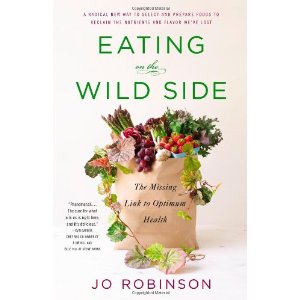
I recently finished listening to the Eating on the Wild Side audiobook. It was quite a lot to digest and remember, so I thought I’d do my best to summarize the salient points as they might apply to me, and to others that have an interest in getting the most nutrients from their food.
Overall the book zips through the all the common healthy vegetables and fruits, and tries to guide the reader to the healthiest options with practical tips for getting the most out of what we can find. Most interestingly is that there is a TON of good stuff in food, but knowing what to eat, how to consume, store, and cook is by no means intuitive.
I am a firm believer that food is medicine. What this book does is arm you with knowledge to underline this somewhat ambiguous statement. My bolstered stance now is that I feel if I eat a wide spectrum of the good medicinal foods, I store and prepare them properly, that I will stand a great chance of living a long healthy life. What follows is some of my newly gained knowledge of the veggies and fruits that diet would encompass, and how to get the most from them.
Food is medicine
Yes, food is medicine. The book talks primarily about a wide class of things in food known as phytonutrients; a substance in plants that can be beneficial to human health. If you want a detailed account of exactly what is in the foods, and how they work to fight off a specific cancer or ailment - this blog post isn’t for you. Too many benefits, too many foods, too much knowledge I’m not qualified or patient enough to understand. I will tell you there are a whole waft of great things the foods mentioned can do for you:
- lower blood pressure
- help prevent cancer
- help reduce cancer growth
- help slow age-related memory loss
- protect your skin from UV damage
- protect against chronic inflammation, cardiovascular disease
- fight depression
- lower LDL cholesterol
- live forever (ok maybe not… or maybe??)
Do I really know these benefits exist? No. But based on the presentation and references cited in the book, I was left with a large amount of faith that the author knows her shit, and I would do well to heed her advice.
What’s healthy for the food, is healthy for us
One of the basic principals that I learned from the book is that there is method to why certain foods are healthy for us. Regarding lettuce greens, the less tightly packed the leaf and the more colorful they are, the better they are for you. Why is that? Those greens that are “out there” have to work harder to beat off UV rays from the sun. They generate phytonutrients to help them in the battle. Same goes for some apples. If only one side sees the sun, the skin on that side may be substantially more beneficial to us than the skin on the shaded side. These nutrients which are part of the plant’s self-defence system, then become part of ours. The less the plant has to work, the lazier it can be, and it will have less nutrients that we would benefit from.
Bitter is better
Sweet onions. Sweet corn. Sweet peas. Why are so many of our foods sweet now? We’ve selected them that way. Apples, onions, corn, carrots, etc., have all had thousands of varieties over the years that are no longer cultivated because people have selected the sweeter foods. Many of the varieties deemed less desirable have lots of good stuff. More often than not those bitter flavours in unpopular foods such as lamb’s quarters come from extremely beneficial phytonutrients. Over the years we’ve overlooked the less tasty varieties in favour of the sweeter, often (but definitely not always) leaving behind their bitterness and benefits. A bit of extra effort in cooking or flavouring of these bitter flavours can have huge benefits on our health.
Garlic
Garlic - yes, its great for us, eat it up. The author ranked it pretty much at the top of the pyramid with regards to cancer fighting properties, and it has a ton of other benefits as well. However it is very easy to destroy its good properties if you cook it. When you cook it, press/smash/chop it really well and let it rest for 10 min before cooking it. The good stuff in it needs to combine and brew; if you just cook it right away (or whole for that matter), you’ll destroy one of the parts needed to make the good stuff.
Berry Bliss
Berries? The jist I got is if you eat berries every day, you’ll probably live forever. Blueberries, blackberries, and cranberries are king, the frozen form is just fine, so we have no excuse not to live forever. We can buy in season and freeze to have them all year round (or just get em from costco as many smoothie drinkin folks do). If you do freeze them, freeze in a single layer on a cookie sheet, then bag to avoid massive clumping. Thaw berries in the microwave to preserve more of their goodness, the longer they take to thaw the more diminished their nutrients will be.
To cook or not to cook, and raw is not always best
For some things, raw is great. But for carrots and tomatoes, cooking them ups some of their vital nutrients substantially (betacarotene and lycopene respectively). Also of note, for better results cook with some oil or fat as the nutrients are fat soluble. Not surprisingly, boiling is just about the worst thing you can do to a beneficial food as the nutrients usually seep into the water. So only use boiling as a cooking method if you’re going to be consuming the cooking water (ie in a soup). For dried legumes, this is also true. A trick here is to leave the beans/lentils in the cooking liquid for an hour after they’re done as they can reabsorb a chunk of their lost nutrients - i’m not sure how practical this is as I imagine doing so will cook the crap out of them, but its worth a shot. Canned beans and legumes generally have more phytonutrients than home-cooked beans anyways, so maybe just skip the dried guys.
Organic or Not, Eat them Skins
Organic is important for foods that you’re going to eat the skins as most non-organic foods contain high residues of pesticides on the skins. And for many foods, the skins contain the majority of the nutrients (50% of potato’s antioxidants are in the skin, and a ton of the fibre too). So if you want the most out of your food, buy organic, and eat the skins.
Colour is good
In general - the deeper the colour, the better the food is for you. For instance, purple “green beans” are way better for you than usual green beans. It seems like foods that are “deep” in colour, ideally purple, red, blue, green are almost always really good for you. This isn’t always the case, but is a good general rule. Exceptions to this rule include white cauliflower and artichoke hearts, both of which are great for you.
High Glycemic Stereotypes
It is true eating a freshly baked russet potato can cause your blood sugar to jump as much as 2 white pieces of bread. But this doesn’t mean all potatoes are created equal, and it doesn’t mean there may not be other ways of consuming this hated-by-paleo food. Purple Peruvian potatoes have 28 times more bionutrients than our most popular potato, and a glycemic index that is not as high as standard potatoes. As well, if you’re stuck on russet or white potatoes, by cooking and then chilling your potatoes for 24 hours, they will magically transform them into a low glycemic food.
Storage
There are LOTs of techniques and points in the book about storing and keeping food to preserve its freshness and potency. Broccoli, asparagus, kale, and artichokes have very high respiration rates. Store them in the fridge in micro perforated bags (the book describes a method to make your own), and don’t keep for more than 2 or 3 days. These suggestions are definitely inconvenient and unattainable for me, but having a bit more knowledge will help me plan my Bryson Farms basket veggie consumption throughout the week a bit better.
Beans
Beans are great for you. They have great protein and a very high number of antioxidants, all of which are retained during canning (although some people like to avoid canned foods, perhaps a topic for a future post). Surprisingly though, garbanzo beans (aka chick peas) rank quite low on the antioxidant chart compared to black beans and lentils, which each have 10x more antioxidants. Don’t stop the hummous, but mix it up a bit with different beans (or yellow split peas, which I LOVE and are excellent for you).
GMO or heirloom
I didn’t learn a ton about the breeding techniques that have led to our huge diversity (and in some cases not so much) in foods, but I did learn a bit that was interesting to me. Breeding one species of plants with another happens naturally and with human intervention, all the time. For instance, our ever popular (and healthy!) common persian limes are a cross between a citron and a lesser known citrus fruit called a papeda. However, the term human intervention really can mean many things. Most of the varieties of our common sweet corn we eat today are the result of Operation Crossroads; a secondary goal of this mission was to test the effects of nuclear radiation from atomic bomb blasts on animals and foods. One of the eventual products of this was a corn strain known as sh2; the start of the super sweet corn craze. Does this mean if I don’t want to eat GMO I should avoid corn? I’m still not quite sure, still mulling this over, still eating corn, but am planning on growing some healthier heirloom varieties next summer.
Tidbits, and in closing
A few other specifics to optimize health benefits that I found interesting:
- As far as salad greens go, eat lots of mixed greens, ideally arugula and radicchio. Avoid iceberg, romaine, or mix it with good stuff.
- Shallots and green onions are great for you. Conventional onions are also fantastic for you. Choose medium to small sized non-sweet ones for best bang for your health buck.
- The globe artichoke, despite its drab color, is one of the most nutritious foods in the supermarket. The heart, fresh or canned, is almost as nutritious as the leaves. Steam it for the best increase and concentration of antioxidants.
- Eat lots of beets and eat the beet greens. Reduce your risk of cancer and other diseases.
- Kale. King of the crucifers. No surprise, it is fantastic for you.
- Avocados, particularly the popular Hass avocado, are great for you.
- Purple carrot juice has been found to fight negative effects of high fructose corn syrup, and help to reduce blood pressure.
- Skip all but organic, darkly colored grapes - or drink concord/welches grape juice which is terrific for you and helps fight memory loss as we age. Skip the gibbed grapes.
- Oranges have 170 unique phytonutrients, one of which helps with depression. Vitamin C is no substitute for a whole orange. Eat the pith, its where most of the good stuff lives.
- All citrus fruits are rich in compounds called flavanones, which have important antioxidant and anticancer properties. Lemons are second only to cranberries in terms of anti-cancer properties.
- Eat melons for flavour, don’t expect many health benefits from them other than small, bright red fleshed watermelons (they get their red color from lycopene)
- The common cavendish banana is about the least healthy fruit you could eat. Consider red bananas, or other tropical fruits such as guavas or mangos as far healthier alternatives.
Hope that gave you some ideas, and helps you eat a bit more healthfully in the future. Feel free to ask questions or point out any areas you think I might have erred on!